Your doctor mentions osteopenia after a bone scan, and suddenly you’re wondering if that’s the same thing as osteoporosis. The two words get used together a lot, but they mean different things. Knowing the difference can help you take the right next steps for your bones.
What’s the difference?
Both terms describe bone loss, which becomes more common as we age.
Osteopenia means bone density is lower than normal. It isn’t considered a disease, but it’s an important warning sign. People with osteopenia are at higher risk of developing osteoporosis.
Osteoporosis is a disease where bones lose enough mass and strength to become fragile. Poor intake of calcium, vitamin D and other nutrients can play a part, along with age, hormones, genetics and certain medications. Osteoporosis can lead to loss of height, a stooped or rounded upper back, and painful fractures.
Both conditions raise the risk of breaking a bone, especially the hip, spine or wrist.
How bone density is measured
The difference between the two comes down to bone mineral density. The most common test is a DEXA scan (dual-energy X-ray absorptiometry), a simple, low-dose scan usually done at the hip and spine.
Your result is given as a T-score, which compares your bone density to that of a healthy young adult of the same sex. Using World Health Organization definitions:
- A T-score of -1.0 or higher is considered normal.
- A T-score between -1.0 and -2.5 is considered osteopenia (low bone mass).
- A T-score of -2.5 or lower is considered osteoporosis.
Your doctor will look at your score along with your other risk factors to decide on next steps.
Risk factors for bone loss
- Sex. Women are at higher risk, partly because they tend to have less bone mass than men.
- Age. Bone loss tends to speed up as we get older, especially after 50.
- Race. White and Asian women are at higher risk.
- Family history. Having a parent or sibling with low bone mass raises your risk.
- Lifestyle. A diet low in calcium and vitamin D, smoking, too much alcohol or caffeine, and not enough exercise.
- Other factors. Conditions like hyperthyroidism and medications such as prednisone can also contribute to bone loss.
What helps keep bones healthy
- Eat well. Get enough calcium, magnesium and vitamins D, K and C. Ask your doctor whether you need supplements.
- Exercise regularly. Weight-bearing exercise like walking, and strength training, help load your bones in a healthy way.
- Skip smoking and limit alcohol.
- Keep up with check-ups. After 50, talk with your doctor about bone health and whether a bone density test makes sense for you.
How physical therapy helps
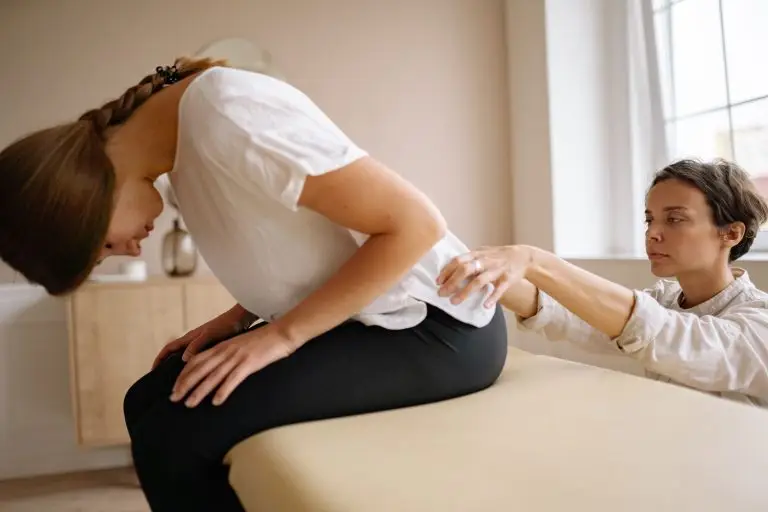
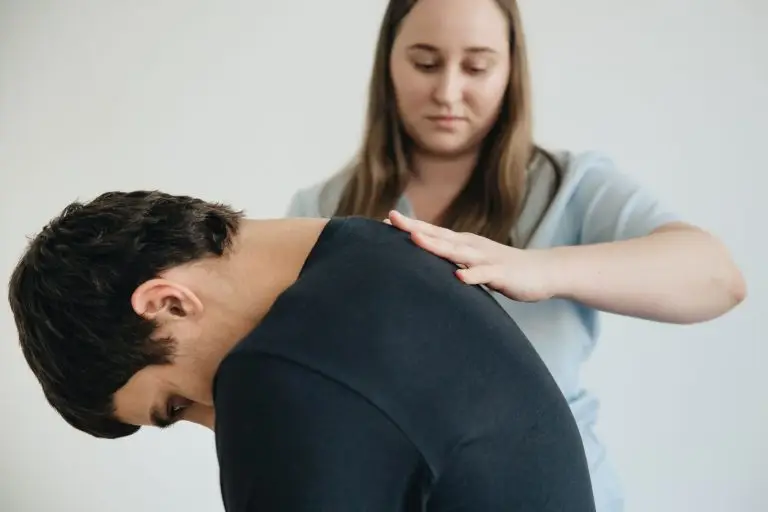
Exercise is one of the best things you can do for your bones, but with low bone density, the type of exercise matters. Some movements, like deep forward bending and twisting of the spine under load, may need to be modified.
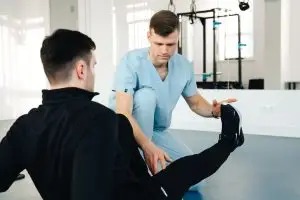
A physical therapist can build a safe program of weight-bearing and strength exercises that fit your bone health and fitness level. Balance training is a big part of it too, because preventing falls is one of the best ways to prevent fractures. Posture work can help you stand taller and move with more confidence.
ProActive Physical Therapy, a Doctors of Physical Therapy company, offers physical therapy at six San Diego County clinics: Carlsbad, Carmel Valley, Mission Valley, National City, Rancho Bernardo and Vista.
A simple plan
- Book. Schedule an evaluation. No referral is needed in California.
- Evaluate. A physical therapist can evaluate your strength, balance, posture and fall risk.
- Treat. You get a program of bone-friendly strength, balance and posture exercises.
- Return. Keep doing the activities you love with more confidence.
When to see a doctor
Talk with your doctor about bone density testing if you have risk factors or have broken a bone from a minor fall. Get checked right away for sudden back pain, especially with a loss of height, or after any fall where you can’t bear weight.
FAQs
Does osteopenia always turn into osteoporosis?
No. Osteopenia raises the risk, but healthy habits and working with your doctor can help protect your bones.
Is it safe to exercise with osteoporosis?
For most people, yes, with the right program. A physical therapist can evaluate you and show you which exercises are safe and which to modify.
Can men get osteoporosis?
Yes. Women are at higher risk, but men can develop bone loss too, especially with age or certain medications.
What kind of exercise is best for bones?
Weight-bearing activity and strength training are generally helpful, along with balance work to prevent falls.
Ready to get started? Schedule an appointment at any ProActive clinic or find a Doctors of Physical Therapy clinic near you. No referral needed.