Ever feel like you’ve got a knot in a muscle that just won’t let go? Maybe it’s at the base of your skull, between your shoulder blades, or on the bottom of your foot. For a lot of people with tight muscles, a plain tennis ball can bring real relief.
What’s going on with that “knot”?
Muscles are wrapped in a thin layer of connective tissue called fascia. When muscles and fascia stay tight for a long time, they can feel stiff, tender and restricted. Therapists call this myofascial tightness.
It often builds up from long hours at a desk, driving, repeated motions at work, or hard training. The tissue gets less mobile, and that can show up as aching, stiffness, or a spot that’s sore to the touch.
A tennis ball lets you put steady pressure on that spot yourself. It’s a simple, low-cost way to help tight tissue relax.
How to use a tennis ball for relief
You can do this standing against a wall, sitting in a chair, or lying on your back. Place the ball on the tight spot and lean into it.
Aim for pressure that feels like relief, not irritation. A good test is your breathing.
If you can relax and breathe easily, the pressure is about right. If you’re tensing up or holding your breath, ease off.
Stay there until you feel the muscle start to “release” and feel less tight. That release happens as the muscle and fascia relax under the pressure. You can also roll slowly around on the ball, which helps blood flow and lets stiff tissue move more freely.
A trick for tension headaches
This approach may also help with tension headaches that come from a tight neck. Put two tennis balls in a sock and tie it tight, or tape the balls together, so they don’t slide apart.
Lie on your back on the floor and set the balls at the base of your skull or along the back of your neck. Let your head rest into them and breathe until the area relaxes.
Spots that tend to respond well
- Upper trapezius, the muscle between your neck and shoulder
- Rhomboids, between your shoulder blades
- Forearms, especially if you type or grip a lot
- Piriformis, deep in the buttock
- Plantar fascia, along the bottom of your foot
Tennis balls usually come three to a can. Keep one at home, one at the office, and one in your car or gym bag so it’s always close by.
A few safety tips
- Don’t press on an area that’s red, hot, swollen or bruised.
- Skip spots right over bone or over a fresh injury.
- Stop if you feel sharp pain, numbness or tingling.
When a tennis ball isn’t enough
Self-massage is a great tool, but it doesn’t fix the reason a muscle keeps getting tight. Posture, weakness, how you move at work, or an old injury can all keep pulling you back to the same sore spot.
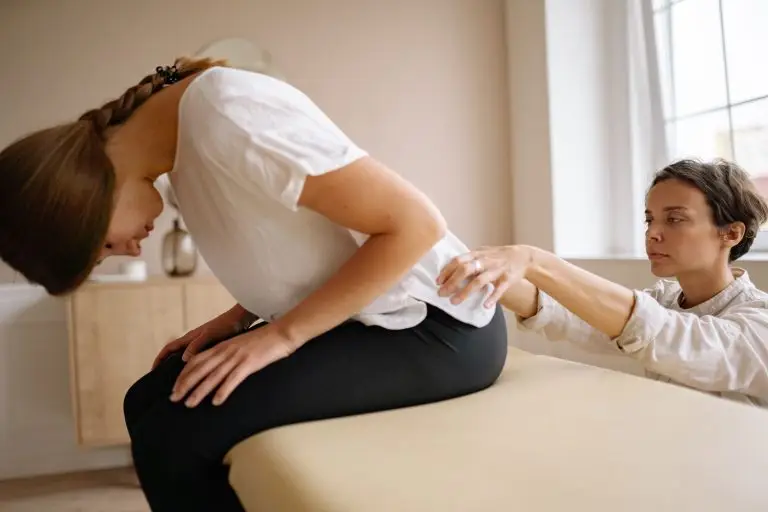
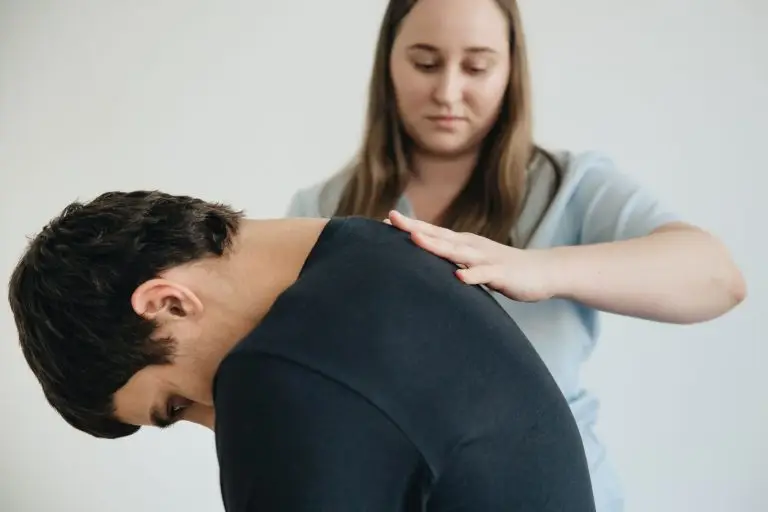
At ProActive Physical Therapy, a Doctors of Physical Therapy company, a physical therapist can evaluate what’s behind the tightness. Care may include hands-on techniques like Active Release Technique, along with stretching, strengthening and posture work so the relief lasts longer.
Your simple plan
- Book a visit at one of our six San Diego County clinics in Carlsbad, Carmel Valley, Mission Valley, National City, Rancho Bernardo or Vista.
- Evaluate: your therapist looks at your posture, movement and the tight areas that keep coming back.
- Treat: you get focused care plus a home routine, including how to use tools like a tennis ball well.
- Return: you get back to work, sport and daily life with a plan to keep tightness in check.
When to see a doctor
Talk to a doctor if your pain came from a fall or accident, if you have numbness, tingling or weakness, or if a headache is sudden and severe. Swelling, warmth and pain in the calf also need a doctor’s attention, so don’t roll on that area.
FAQs
Is a tennis ball or a lacrosse ball better?
A tennis ball is softer, so it’s a good place to start. A lacrosse ball is firmer and gives deeper pressure, which some people prefer once they’re used to it.
Should it hurt?
It may feel tender, but it shouldn’t make you tense up. If you can’t relax and breathe, the pressure is too much.
Can a tennis ball help my plantar fasciitis?
Rolling the bottom of your foot on a ball may ease tightness in the plantar fascia. If heel or arch pain keeps returning, a physical therapist can evaluate what’s adding stress to your foot.
How often can I use it?
Many people use it most days as part of a routine. Your therapist can help you fit it into a plan that matches your body and your goals.
California allows direct access to physical therapy, so you don’t need a referral to get started. If tight muscles keep coming back, book an evaluation and find out why.
Ready to get started? Schedule an appointment at any ProActive clinic or find a Doctors of Physical Therapy clinic near you. No referral needed.