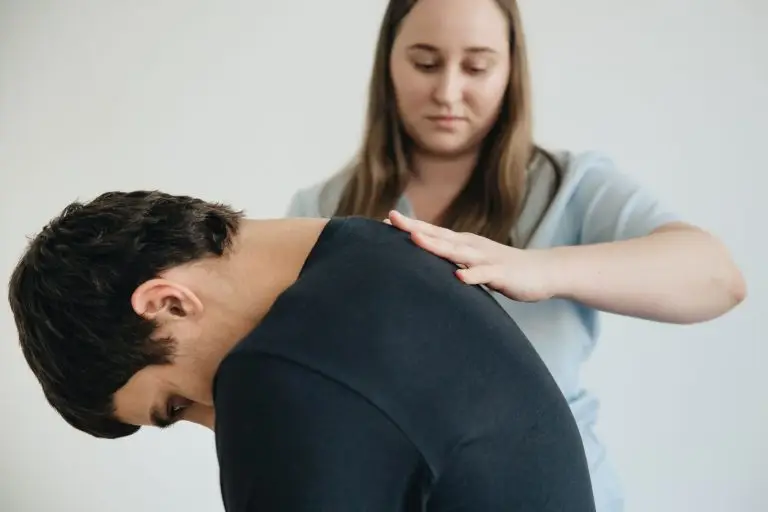
Pain low in your back, right where your spine meets your pelvis, can make sitting, climbing stairs, or rolling over in bed feel like a chore. If that sounds familiar, SI joint pain physical therapy may be the right place to start.
Your sacroiliac joints, or SI joints, connect the base of your spine to your pelvis. You have two of them, one on each side. They do not move much, but they handle a lot of load every time you stand, walk, or lift.
You are the hero of this story. Our job is to be the guide who helps you understand what is going on and what to do next.
What Is SI Joint Pain?
SI joint pain usually shows up as an ache on one side of the low back or buttock. Some people feel it in the groin or down the back of the thigh. It often flares when you stand on one leg, get out of a car, or sit for a long time.
Common contributors include:
- A fall or a hard landing on one side
- Repetitive loading from running, jumping, or lifting
- Pregnancy and the changes that come with it
- Differences in how you walk or move
- Arthritis in the joint
SI joint pain can look a lot like other back problems, including a disc problem or sciatica. Research shows that no single test confirms it, so clinicians often use a group of tests together to get a clearer picture. You can explore that research on PubMed.
How SI Joint Pain Physical Therapy Starts
Your first visit is about finding out what is actually driving your pain. A licensed physical therapist will ask how it started, what makes it better or worse, and what you want to get back to doing.
Then they look at how you move. That may include how you walk, bend, and balance, plus the strength of your hips and trunk. They may use gentle tests that press on or load the joint to see whether the SI joint is the likely source.
At Doctors of Physical Therapy, a licensed physical therapist treats you every visit. Not a tech, not an aide, not an assistant. We are clinician-led from top to bottom, so the person who evaluates you is the person who treats you.
5 Proven Treatments in SI Joint Pain Physical Therapy
Every plan is built around you, your body, and your goals. These are five treatments your physical therapist may use.
1. Hands-on manual therapy
Your physical therapist may use joint mobilization and soft tissue work around the pelvis, hips, and low back. Manual therapy can help calm irritated tissue and make movement feel easier, which opens the door to exercise.
2. Hip and glute strengthening
Your glutes and hip muscles help hold the pelvis steady. When they are weak, the SI joints can take on more stress. Exercises like bridges, side-lying leg lifts, and step-ups build that support over time.
3. Core and trunk control
Your deep abdominal and back muscles work with your hips to manage load through the pelvis. Your physical therapist teaches you how to brace and move with control, starting simple and progressing as you are ready.
4. Movement and posture coaching
Small habits add up. How you get out of a car, stand at the kitchen sink, or carry a laundry basket can all affect your SI joints. You will learn simple changes that take strain off during your day.
5. A home exercise program
What you do between visits matters. Your physical therapist gives you a short, clear routine you can do at home and adjusts it as you improve. No guesswork, and no long list you will never finish.
What to Expect as You Progress
SI joint pain physical therapy is not one size fits all. As you get stronger, your exercises change with you. Early sessions often focus on calming things down and learning how to move with less strain. Later sessions build strength and confidence for the activities you care about, whether that is lifting your kids, playing golf, or getting through a workday without stopping to stretch.
Some people also ask about SI belts. A belt can feel supportive for some people during certain activities. Your physical therapist can help you decide whether one makes sense for you.
What the Research Says
Exercise and manual therapy are among the most studied conservative treatments for pain in the low back and pelvis. Clinical practice guidelines published in the Journal of Orthopaedic and Sports Physical Therapy support exercise and manual therapy as part of care for many people with low back pain. That is why SI joint pain physical therapy leans on active care you can carry into your daily life.
Results vary from person to person, and research on the SI joint specifically is still growing. We will not promise you a specific result or a set number of visits. We will promise a clear plan, honest feedback, and regular check-ins on your progress.
When to See a Physical Therapist for SI Joint Pain
Consider getting checked if:
- Your low back or buttock pain has lasted more than a couple of weeks
- Sitting, standing, or stairs keep making it worse
- You feel pain on one side when you shift your weight
- The pain keeps coming back after it settles down
If you have numbness in the groin area, trouble controlling your bladder or bowels, a fever, or pain after a serious fall, seek medical care right away.
In many states you can see a physical therapist without a referral. Want to know who will be treating you? Learn more about Doctors of Physical Therapy. Ready to get started? Schedule an appointment today. Questions about coverage? Visit our insurance page.
Frequently Asked Questions
What does SI joint pain physical therapy involve?
It starts with a full evaluation of how you move. Your plan usually combines manual therapy, hip and core strengthening, movement coaching, and a home exercise program built around your goals.
Can SI joint pain feel like sciatica?
Yes. SI joint pain can spread into the buttock and the back of the thigh, which can feel similar to sciatica. A careful evaluation by a physical therapist helps tell the two apart.
How many physical therapy visits will I need for SI joint pain?
It varies from person to person. Your physical therapist checks your progress at each visit and adjusts the plan with you, so you always know where you stand.
Do I need a referral for SI joint pain physical therapy?
Many states allow direct access, so you can often start physical therapy without a referral. Your insurance plan may have its own rules, so it is a good idea to check your coverage.