It often starts small. A little ache in the wrist, a sore elbow, or one finger that doesn’t feel right after a long day at the keyboard. You figure it’ll go away, until one day you notice it’s cutting into how long you can type or use a mouse.
What is a repetitive strain injury?
A repetitive strain injury, or RSI, happens when the same movements put stress on a joint and the tendons and muscles around it again and again. When that stress repeats without enough recovery time, the tissues get irritated. The body responds with extra fluid and inflammation in the area.
Left alone, an RSI can lead to injuries in the soft tissues, tendons, muscles and nerves.
Why computers are a common cause
Thousands of keystrokes a day, plus long stretches of gripping, clicking and dragging a mouse, add up. Game controllers and phones pile on more of the same small, repeated motions.
This isn’t only an adult problem. Kids use computers for school starting in elementary grades, then add social media, videos, music and video games. It’s easy for anyone to lose track of time when they’re focused on a screen.
Signs and symptoms of RSI
- Aching, burning or sharp pain in the fingers, hand, wrist, forearm, elbow or shoulder
- Tingling or numbness in the hand or fingers
- Stiffness, swelling or a feeling of tightness
- Weakness or clumsiness, like dropping things
- Symptoms that build during computer use and linger afterward
Conditions linked to RSI
A physical therapist or hand therapist can evaluate your symptoms, but these are some of the conditions often tied to repetitive strain:
- Carpal tunnel syndrome. Swelling in a narrow tunnel in the wrist puts pressure on a nerve, causing pain, tingling and numbness in the hand.
- Tennis elbow (lateral epicondylitis). Soreness or pain on the outer part of the elbow.
- Cubital tunnel syndrome. Pressure on the ulnar nerve near the elbow, which can cause tingling or numbness in the ring and small fingers, hand weakness and elbow pain.
- De Quervain’s tenosynovitis. Pain along the thumb side of the wrist, over two thumb tendons, that can spread into the forearm.
- Trigger finger. A finger that catches or locks before popping straight.
- Ganglion cyst. A lump near the wrist from fluid that has leaked from a joint or tendon sheath.
- Tendinitis. Irritation or breakdown of a tendon.
What helps
If symptoms keep coming back, it’s important to get them checked. Treatment often includes relative rest and changes to how you work.
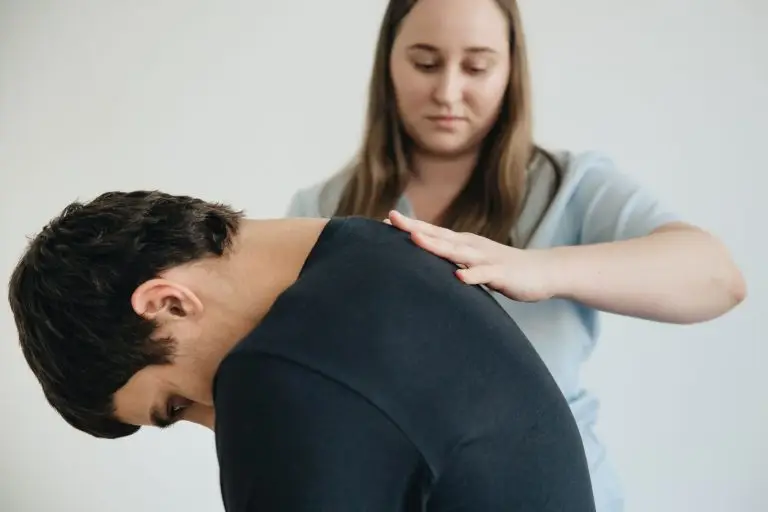
Hand therapy focuses on the hand, wrist, elbow and arm. Your therapist may use techniques to calm symptoms, then add gentle stretching and strengthening with a home program built for you. Some people benefit from a splint, either a ready-made one or a custom splint molded to fit.
Your therapist will also teach you ways to protect your tendons and nerves, and give you ergonomic advice for your own computer setup.
How to prevent computer-related RSI
- Break it up. Take short, frequent breaks from typing and mousing throughout the day.
- Relax. Don’t hold your fingers, hands or shoulders tense. Let them go loose during pauses.
- Stay near neutral. Avoid bending joints to the far ends of their range. Middle positions are easiest on them.
- Avoid hard edges. Keep wrists and elbows off hard or sharp surfaces.
- Use a light touch. Don’t pound the keys, and hold the mouse loosely. Keyboard shortcuts can cut down on mouse use.
- Make text bigger. Larger fonts help you avoid leaning in and hunching.
- Stay warm. Cold hands and arms tend to feel stiffer.
- Try voice tools. Voice typing gives your hands a break.
For kids, remind them to sit up, take breaks and go easy on the keys. Parents can help by setting the example.
A simple plan
ProActive Physical Therapy, a Doctors of Physical Therapy company, offers hand therapy in San Diego County, with six clinics in Carlsbad, Carmel Valley, Mission Valley, National City, Rancho Bernardo and Vista.
- Book. Schedule an evaluation. No referral is needed in California.
- Evaluate. A therapist can evaluate your symptoms, strength, nerves and workstation habits.
- Treat. You get a plan that may include hands-on care, splinting, exercise and ergonomic changes.
- Return. Get back to work and play with better habits.
When to see a doctor
See a doctor if numbness or tingling is constant, if you’re losing grip strength or dropping things, if symptoms wake you at night, or if a joint is red, hot or very swollen.
FAQs
What does RSI stand for?
Repetitive strain injury. You may also see it called repetitive stress injury.
Can RSI go away on its own?
Mild symptoms sometimes ease with rest and better habits. If they keep returning, get checked so it doesn’t become a longer-term problem.
Is a wrist brace enough?
A splint can help rest irritated tissue, but it works best alongside exercise and changes to how you work.
Ready to get started? Schedule an appointment at any ProActive clinic or find a Doctors of Physical Therapy clinic near you. No referral needed.