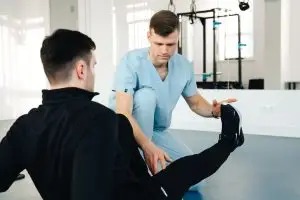
Kids and teens get hurt in different ways than adults do, because their bones are still growing. A fall off the monkey bars or a season of nonstop pitching can injure a spot adults don’t even have anymore: the growth plate. Here’s what parents should know.
What is a growth plate?
The growth plate, also called the epiphyseal plate, is an area of new bone growth near the ends of the long bones in children and teens. There’s usually one at each end of a long bone.
Long bones include the thigh bone (femur), the shin bones (tibia and fibula), the forearm bones (radius and ulna), and the bones of the hands and feet.
As your child grows, the growth plates harden into solid bone. Once that happens, the plate is “closed” and no more growth happens there. According to KidsHealth.org, growth plates usually close near the end of puberty, around ages 13 to 15 for girls and 15 to 17 for boys.
Why growth plates get hurt
Growth plates are the weakest part of a growing skeleton. That makes them more likely to get injured than the bone or ligaments around them.
Fractures from a single injury
A growth plate fracture can happen from one specific event. Think of a fall, or a collision during a game.
Overuse and repetitive stress
Other growth plate injuries come from repeating the same movement again and again, like throwing, jumping or running. A few well-known conditions fall into this group:
- Little League elbow, from repeated throwing
- Osgood-Schlatter disease, which causes pain just below the kneecap
- Sever’s disease, which causes pain at the back of the heel
The good news is that most growth plate injuries heal without affecting future bone growth. That’s a big reason to get them checked and cared for properly.
Signs and symptoms
- Pain and tenderness near the end of a bone or a joint
- Trouble moving the joint or limb
- Trouble putting weight on the leg or using the arm
- Swelling
A doctor diagnoses a growth plate injury by asking what happened, doing a physical exam, and ordering imaging like an x-ray, CT or MRI.
How growth plate injuries are treated
For a non-displaced injury, where the bone is still lined up, treatment often means a cast or splint and keeping weight off the area.
For a displaced fracture, where the bone ends are out of line, the doctor may need to move them back into place. Some cases need surgery with screws or wires to hold the growth plate steady, followed by a cast until it heals.
How physical therapy helps
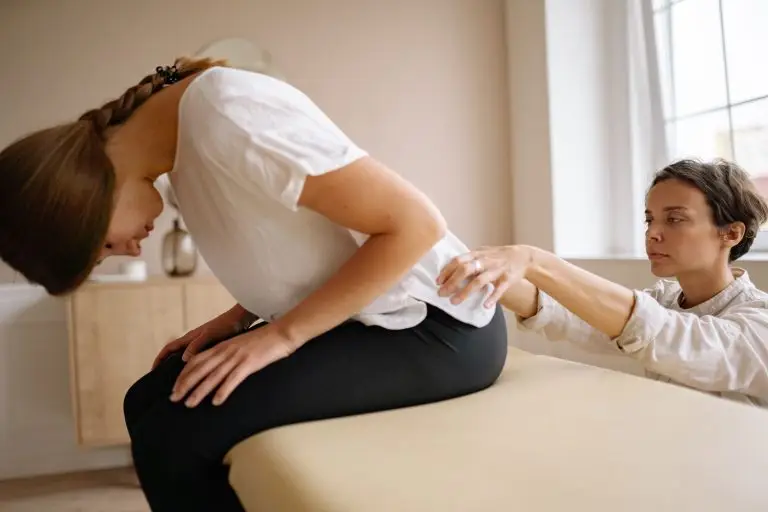
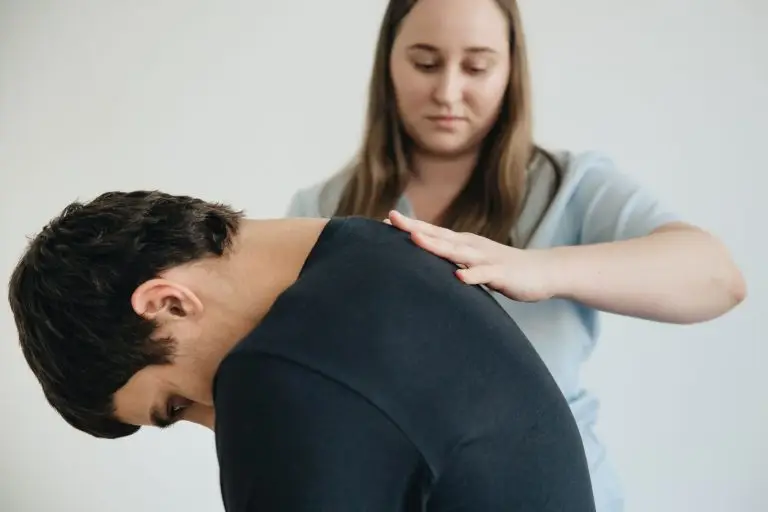
Once the bone has healed, physical therapy helps your child get back range of motion, flexibility, strength and stability in the injured area. Time in a cast can leave a joint stiff and the muscles around it weak.
At ProActive Physical Therapy, a Doctors of Physical Therapy company, therapists work with young athletes every day. Your child’s therapist can also look at training habits that may add stress, like playing one sport year-round without a break. Learn more about our physical therapy services.
Your simple plan
- Book a visit at one of our six San Diego County clinics in Carlsbad, Carmel Valley, Mission Valley, National City, Rancho Bernardo or Vista once the doctor clears your child for therapy.
- Evaluate: the therapist checks motion, strength, balance and how your child moves in their sport.
- Treat: your child gets an age-appropriate plan that builds back strength and control.
- Return: the therapist helps guide a gradual return to practice and games.
When to see a doctor
See a doctor if your child has pain after a fall or hit, swelling near a joint, a limb that looks out of shape, or can’t put weight on a leg or use an arm. Pain that keeps showing up with the same sport is also worth a visit, since an injured growth plate needs a proper diagnosis.
FAQs
Will a growth plate injury stop my child from growing?
Most growth plate injuries heal without affecting future growth. Your child’s doctor will watch the area and let you know if follow-up is needed.
Are growth pains the same as a growth plate injury?
Not always. Aches that keep coming back in the same spot, especially with sports, should be checked by a doctor or physical therapist.
Can overuse growth plate injuries be prevented?
Rest days, variety in sports, and building strength can lower the stress on growing bones. A physical therapist can help you build a plan for your young athlete.
When can my child go back to sports?
That’s up to your child’s doctor and depends on the injury. Physical therapy helps your child get ready so the return goes smoothly.
California allows direct access to physical therapy, so no referral is needed to start. If your child has a healed injury or keeps getting sore in the same spot, book an evaluation.
Ready to get started? Schedule an appointment at any ProActive clinic or find a Doctors of Physical Therapy clinic near you. No referral needed.