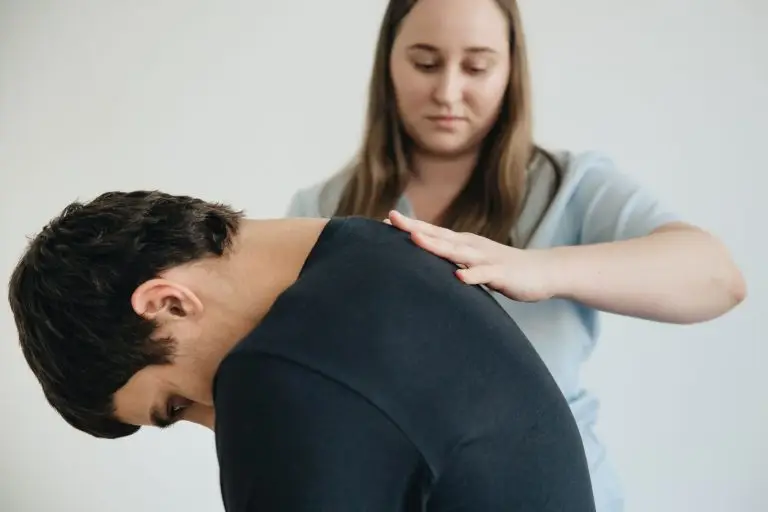
A small difference in leg length can be easy to miss. You might not notice it standing still, but it can show up in how you run, jump and move. Over time, it can affect athletic performance and how your body feels.
What is a leg length difference?
A leg length difference means one leg acts longer than the other. There are two main types, and telling them apart matters because they’re handled differently.
- Structural. One of the leg bones is physically longer than the other.
- Functional. The bones are about the same length, but something else makes one leg act longer. A rotated pelvis, tight muscles or one flat foot and one high arch are common examples.
Why it matters
When one leg is longer, the pelvis can tilt to one side. The spine may then bend sideways to keep you level, which can show up as a curve on a scoliosis screening.
For athletes, the body has to work around that difference with every step. That can change running form and how forces travel through the feet, knees, hips and back. Some people notice pain, tightness or weakness on one side.
Why leg length differences get missed
Many California students get a scoliosis screening in middle school. These screenings are set up to catch larger differences in hip height, shoulder height or rib position. A smaller leg length difference may not be flagged, even though it can still affect how an athlete moves.
Timing is another issue. Bones grow at different rates, especially during puberty. A student who has a late growth spurt in high school or college may develop a difference long after their last school screening.
Past injuries can play a part too. An injury near a growth plate in the ankle, knee or hip can slow that bone’s growth. And many sports and fitness screenings don’t include a leg length check at all.
When to get checked
It’s worth having leg length looked at during a physical screening, before starting a new sport or fitness program, and regularly during growth spurts for young athletes.
A good assessment looks at more than a tape measure. A physical therapist can evaluate:
- Foot mechanics, such as one flat foot and one high arch
- Flexibility of the calves, hamstrings, quadriceps and IT band
- Rotation or tilt in the pelvis
- Core and hip strength
Each of these can create a leg length difference, or hide one.
What helps
Structural differences
A true structural difference is usually managed with a lift in the shoe or added to the sole. Lifts are often placed under the whole foot rather than just the heel.
A heel-only lift can shift your weight forward and let the calf muscle tighten up over time. Larger differences may need a doctor’s input.
Functional differences
Functional differences are handled by fixing the area that’s causing them. If the pelvis has rotated, a physical therapist can work on alignment. Just as important is finding out why it rotated, which often means addressing tight muscles and weak core and hip muscles so the problem doesn’t keep coming back.
If the difference comes from the feet, orthotics can help even things out.
Addressing leg length differences is one of the things our therapists look at closely when working with athletes on performance, pain and weakness.
A simple plan
At ProActive Physical Therapy, a Doctors of Physical Therapy company, our six San Diego County clinics (Carlsbad, Carmel Valley, Mission Valley, National City, Rancho Bernardo and Vista) offer physical therapy for athletes and active people:
- Book. Schedule an evaluation. No referral is needed in California.
- Evaluate. A physical therapist can evaluate your legs, pelvis, feet and movement to find out whether a difference is structural or functional.
- Treat. Your plan may include hands-on care, flexibility and strength work, and advice on lifts or orthotics.
- Return. Get back to training with a body that’s working more evenly.
When to see a doctor
See a doctor if a child starts limping without a clear reason, if a difference appears after an injury near a joint, or if you notice a curve in the spine or uneven shoulders that seems to be getting worse. Back pain with numbness, tingling or weakness in the legs should also be checked.
FAQs
Is it normal to have one leg slightly longer?
Small differences are common. Whether one matters depends on how it affects the way you move and feel, which is why an evaluation helps.
Can a leg length difference cause back pain?
It can be one factor, since it can tilt the pelvis and change how the spine moves. A physical therapist can evaluate whether it’s playing a role in your pain.
Should I put a lift in my shoe on my own?
It’s best to get evaluated first. If the difference is functional, a lift may not address the real cause.
Ready to get started? Schedule an appointment at any ProActive clinic or find a Doctors of Physical Therapy clinic near you. No referral needed.