You finish a run and your knee aches right at the front, around or just under the kneecap. It bites on stairs. It nags after a long drive. It shows up again the second you try to pick the pace back up.
That is runner’s knee, and runner’s knee physical therapy is the treatment with the strongest research behind it.
You do not have to guess your way through this. A licensed physical therapist can find the specific reason your kneecap is getting overloaded, then build a plan around that reason instead of around the symptom.
What Runner’s Knee Actually Is
Runner’s knee is the everyday name for patellofemoral pain syndrome. It is pain around, behind, or just below the kneecap.
You do not have to be a runner to get it. Cyclists, lifters, hikers, and people who sit at a desk all day end up with the same complaint.
Common triggers:
- Running, especially downhill or after a jump in mileage
- Walking down stairs
- Squatting, lunging, or kneeling
- Sitting with the knee bent for a long stretch
Your kneecap glides in a shallow groove at the end of the thigh bone. When the muscles that steer that motion are weak, stiff, or poorly timed, load piles onto tissue that was never built to carry it. That is where the pain comes from.
Which is why rest alone tends to disappoint. Rest lowers the load. It does not change what happens the moment you load the knee again.
Why Runner’s Knee Physical Therapy Works
Because the kneecap is rarely the actual problem.
The 2019 clinical practice guideline on patellofemoral pain, published in the Journal of Orthopaedic and Sports Physical Therapy, gives exercise therapy the strongest recommendation of any treatment for this condition. You can read the guideline record on PubMed.
The same body of evidence found that combining hip and knee strengthening beat knee work on its own. A companion paper in the same journal walks clinicians through applying those findings.
So runner’s knee physical therapy is not a stretch handout. It is a targeted plan to change how force travels through your hip, knee, and foot.
5 Proven Runner’s Knee Physical Therapy Treatments
1. Hip and Glute Strengthening
Weak hip muscles let the thigh rotate inward when you land. The knee follows it. The kneecap gets pulled off its track under load.
Side-lying work, banded exercises, split squats, and single-leg step downs build the control that keeps your knee stacked over your foot.
2. Progressive Quadriceps Loading
The quad controls the kneecap directly. It also absorbs the shock every time your foot hits the ground.
Your therapist finds the range where you can load the quad without flaring symptoms, then adds difficulty on a schedule. Loading the right amount at the right time is the whole skill here.
3. Running and Movement Retraining
Small changes to how you move can pull real load off the kneecap. Stride rate, foot placement, trunk position, and how you handle downhills all matter.
This is coaching, not correcting. Your therapist films you, shows you what is happening, and cues one change at a time.
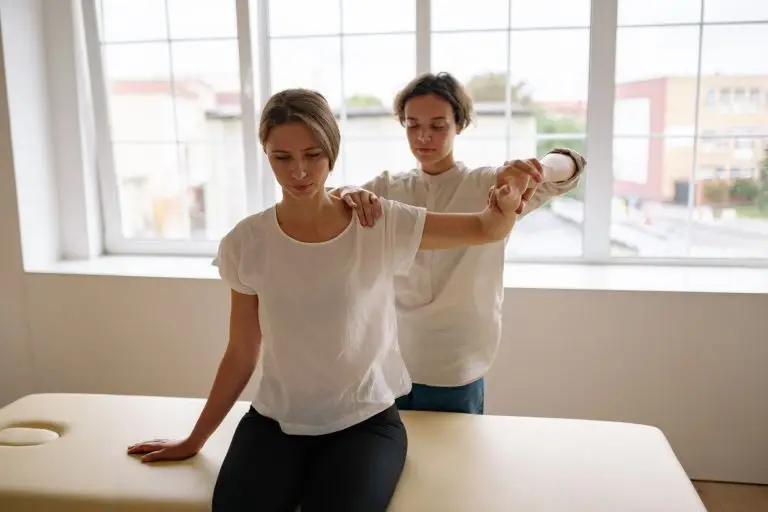
4. Manual Therapy
Hands-on work will not fix runner’s knee by itself, and no honest clinic will tell you it does. It does buy you range of motion and comfort so the strengthening work goes better.
Soft tissue work on the quad, hip, and calf, plus joint mobilization, is often paired with exercise in the same session. See how we use manual therapy alongside loading.
5. Load Management and Return to Running
Most people with runner’s knee do not need to stop running. They need a smarter plan for how much, how often, and on what terrain.
Your therapist builds a return schedule around your symptoms and your goal race or activity, then adjusts it as you respond. That is very different from being told to come back in six weeks.
What Your First Visit Looks Like
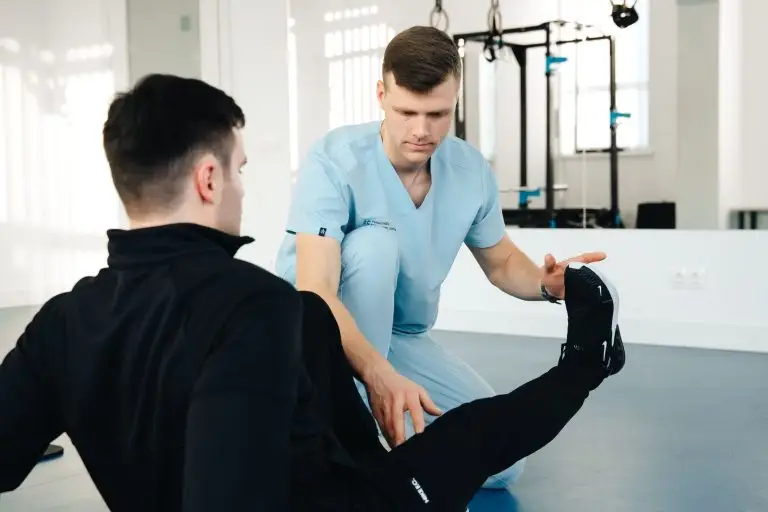
Runner’s knee physical therapy starts with a full movement evaluation, not a quick glance at the knee.
Expect your therapist to:
- Ask what triggers the pain and what calms it
- Test hip, knee, and ankle strength and mobility
- Watch you squat, step down, and walk or run
- Explain what they found in plain language
- Start treatment the same visit
You leave with a short home program and a clear picture of what is driving your symptoms. In most states you can start without a physician referral. Check our insurance and coverage page to see how your plan works.
Clinician-Led From Top to Bottom
Here is what separates Doctors of Physical Therapy. Your care is delivered by a licensed physical therapist: not a tech, not an aide, not an assistant.
We are clinician-led from top to bottom. Every operational role in the company, all the way to the top, is held by a licensed physical therapist. That means the people setting standards are the same people who treat patients.
The American Physical Therapy Association keeps a public directory and patient resources if you want to verify credentials anywhere you go. Start at apta.org.
You can learn more about our team or schedule an appointment when you are ready to get after it.
Frequently Asked Questions
Can I keep running with runner’s knee?
Often yes, at a reduced volume. Your therapist will set a threshold based on your symptoms and adjust it as you improve. Pushing through sharp pain is what turns a manageable problem into a stubborn one.
Do I need an MRI first?
Usually not. Patellofemoral pain is diagnosed from your history and a hands-on exam. Imaging gets added when the exam points to something else, like a meniscus or cartilage problem.
How is runner’s knee physical therapy different from just doing exercises online?
A generic program treats the average knee. Your therapist tests your hip, knee, and ankle, watches how you actually move, and picks the loading that fits what they found. Then they adjust it every visit based on how you respond.
Do I need a doctor’s referral to start?
In most states you can see a physical therapist directly through direct access. Coverage varies by plan, so it is worth a quick call before your first visit. Our team can walk you through it.