Is it tendonitis or tendinitis? Both spellings are correct, and you’ll see both online.
Tendinitis is the one most often used in medical writing. The more useful question is what’s causing your pain and what you can do about it.
What is tendinitis?
Tendons connect muscles to bones. The ending “itis” means inflammation, so tendinitis means an inflamed tendon. Strictly speaking, the term fits best for more sudden tendon injuries that come with inflammation.
This article focuses on tendinitis in the upper body, like the shoulder, elbow, wrist and thumb. Common examples include tennis elbow and thumb tendinitis.
What causes it?
Tendinitis usually builds from how we use our arms and hands day to day. Risk factors include:
- Repeating the same motion over and over
- Awkward postures
- Direct pressure on a tendon
- High force, like heavy gripping or lifting
- Holding one position for a long time
Symptoms of tendinitis
Symptoms can come on suddenly or creep up over time. Pain is the most common one. It can be sharp or dull, aching or burning, and may spread up or down the arm.
Other symptoms include stiffness, swelling and weakness. Sometimes you might hear popping or see a small bump.
Some types of tendinitis have telltale signs. With tennis elbow, lifting a pot with your arm straight may hurt. With thumb tendinitis, turning a key can be painful.
Tendinitis vs. tendinosis
If tendinitis isn’t treated, it can become chronic. It may start to affect work, sports and sleep, and pain can spread beyond the original spot.
At that stage it’s often called tendinosis. The ending “osis” points to long-term breakdown in the tendon without much inflammation. Inflammation may have been there at the start, but the bigger issue becomes the tendon’s trouble healing.
How physical therapy helps
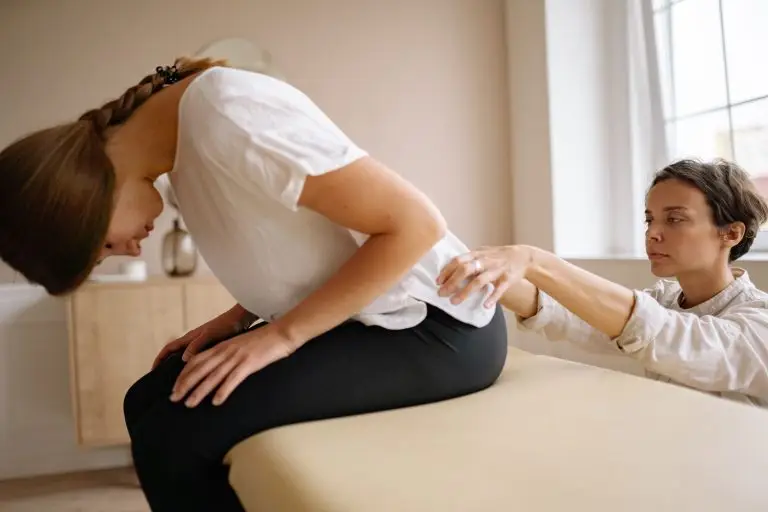
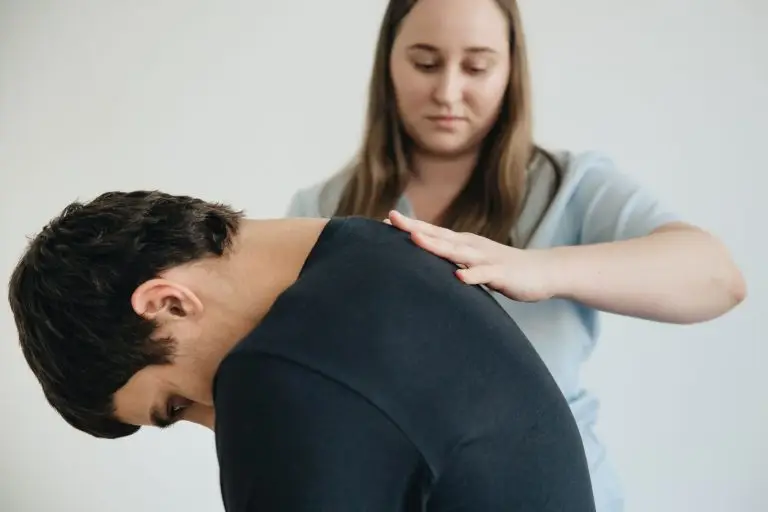
Every person’s causes and response to treatment are different, so care is built around you. A physical therapist can evaluate what’s driving your symptoms and put together a plan.
Calming symptoms first
The first goal is symptom control. That may include relative rest, ice and learning better ways to use your arm and hand. Ergonomic training is a big piece, like adjusting your workstation and using tools or techniques that take strain off the tendon.
Splinting and taping
A splint is often used to rest the tendon and muscle. It can be designed around your daily life, starting more rigid and moving to softer support as you improve. Flexible kinesiology taping may also be used.
Hands-on care and modalities
Your therapist may use ultrasound or electrical stimulation.
Many clinics also use Graston Technique, a form of instrument-assisted soft tissue work. It uses specially designed stainless steel tools to find and treat areas of restricted or thickened soft tissue. Clinicians need specific training to provide it.
Strength and endurance
Once symptoms start to ease, or as long as they aren’t getting worse with exercise, strengthening begins. Endurance and conditioning come next. Progress is gradual, and your therapist will watch for flare-ups and adjust along the way.
A simple plan
At ProActive Physical Therapy, a Doctors of Physical Therapy company, our six San Diego County clinics (Carlsbad, Carmel Valley, Mission Valley, National City, Rancho Bernardo and Vista) treat tendon pain in the shoulder, elbow, wrist and hand:
- Book. Schedule an evaluation. No referral is needed in California.
- Evaluate. A physical therapist can evaluate the tendon, your movement and your daily demands.
- Treat. Your plan may include splinting, hands-on care, ergonomic changes and exercise.
- Return. Get back to work, sports and daily life with a plan to keep symptoms in check.
When to see a doctor
See a doctor if you can’t move the joint, if you have a lot of swelling, redness or warmth, if you have a fever, or if pain started with a pop or a sudden injury. Numbness or tingling should also be checked.
FAQs
Which spelling is correct, tendonitis or tendinitis?
Both are correct. Tendinitis is more common in medical writing.
Is ice or heat better for tendinitis?
Ice is often used early on to calm irritation. A physical therapist can evaluate your situation and suggest what fits best.
Should I stop using my arm completely?
Usually not. Relative rest, meaning cutting back on what aggravates it, is generally better than total rest.
Can tendinitis come back?
It can, especially if the habits behind it don’t change. Strength work and ergonomic changes help lower that risk.
Ready to get started? Schedule an appointment at any ProActive clinic or find a Doctors of Physical Therapy clinic near you. No referral needed.