Shoulder pain that flares when you reach overhead gets labeled a lot of different things, and two of the most common labels get used almost interchangeably. They should not be. Rotator cuff tear vs impingement is a real distinction, and it changes what your treatment plan should look like from day one.
Here is how the two differ, how a physical therapist tells them apart, and why the answer matters more than most people expect.
The Short Version
Impingement is a mechanical and irritation problem. The tendons and bursa in your shoulder are getting compressed or overloaded in the space beneath the top of your shoulder blade, usually when your arm is overhead or reaching across your body. The tissue is angry, not torn.
A rotator cuff tear is a structural problem. Fibers in one of the four rotator cuff tendons, most often the supraspinatus, have actually separated. Tears range from a small partial fraying to a full-thickness tear through the whole tendon.
They are not opposites. They live on a continuum, and long-standing impingement can contribute to a tear over time. Plenty of people have both, which is part of why rotator cuff tear vs impingement gets muddled so often in casual conversation.
Rotator Cuff Tear vs Impingement: 5 Differences That Matter
1. How It Started
Impingement usually builds. You painted a ceiling, started swimming again, changed your lifting program, or spent three weeks reaching into a high shelf at work, and the ache crept in.
Tears often have a moment. A fall on an outstretched arm, a heavy lift that slipped, a sudden yank. That said, degenerative tears in people over 50 can appear gradually with no single event at all, which is exactly why story alone does not settle it.
2. Where and When It Hurts
Both typically hurt on the outside of the upper arm rather than deep in the joint. Both hurt with overhead reaching.
Night pain is the one that gets people’s attention. It shows up in both, but persistent pain that wakes you when you roll onto that shoulder is more strongly associated with a tear.
3. Weakness Versus Pain-Limited Motion
This is the most useful difference in the room. With impingement, you can usually still generate strength, it just hurts to do it. With a significant tear, there is true weakness: the arm gives out or cannot hold a position even when the pain is temporarily managed.
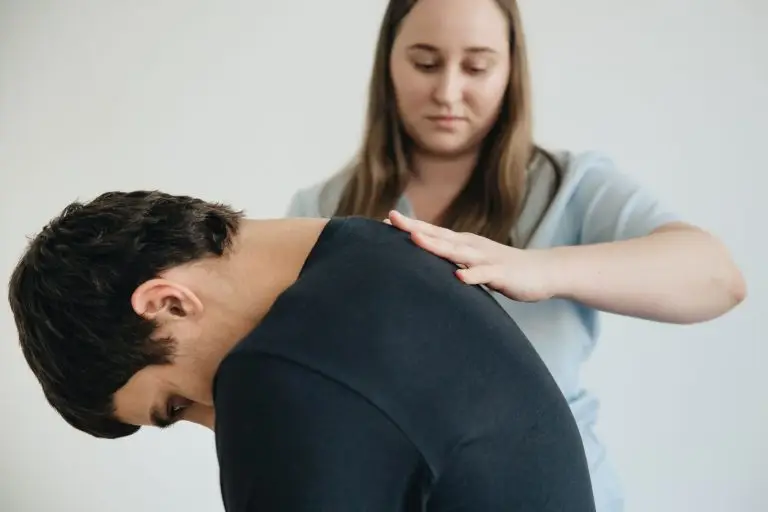
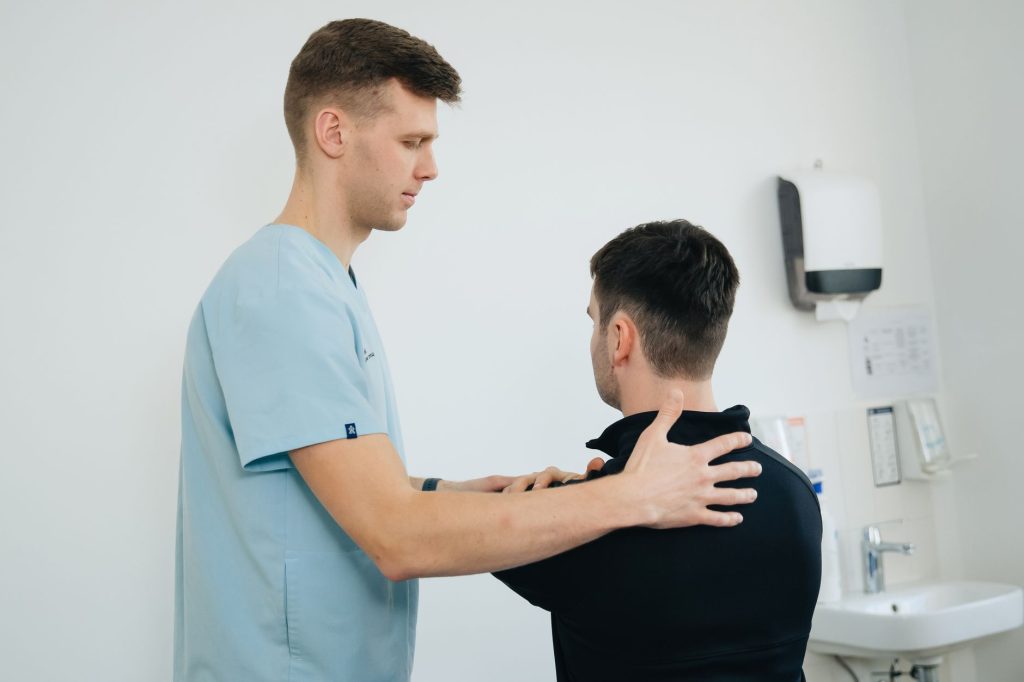
A physical therapist tests this deliberately, isolating each of the four cuff muscles and comparing sides. Clusters of tests done together are far more accurate than any single test, which is why a thorough evaluation beats a quick once-over.
4. What Imaging Shows (And Why It Can Mislead)
An MRI can confirm a tear. It can also confuse things badly. Imaging studies of people with no shoulder pain at all have found rotator cuff tears in a substantial share of adults, with prevalence climbing steadily with age. A tear on a scan is not automatically the source of your symptoms.
That is why a good clinician correlates the picture with the exam and your actual function. Sorting out rotator cuff tear vs impingement is a clinical judgment, not a scan reading.
5. What Treatment Looks Like
For impingement, the plan is loading the cuff and the muscles that control your shoulder blade, restoring motion, and reducing the positions and volumes that keep irritating it.
For a tear, the plan depends on the size, your age, your goals, and whether you have functional weakness. Many partial and even full-thickness degenerative tears do well with conservative care. Evidence-based practice guidance from the American Physical Therapy Association supports an exercise-first approach for a large share of these cases. Large traumatic tears in younger, active people are the group most likely to head toward surgical consultation.
Why Getting Rotator Cuff Tear vs Impingement Right Changes Your Plan
Both diagnoses get exercise. The exercise is not the same.
An impingement plan can usually push range and load fairly aggressively once symptoms settle. A cuff tear plan protects specific positions early, sequences loading around the healing or compromised tendon, and watches for functional weakness rather than chasing pain alone.
Run the wrong plan and you either spin your wheels or aggravate the thing you are trying to heal. This is also why pre and post-operative therapy exists as its own discipline: if surgery does end up being the right call, the strength and motion you build beforehand affect what recovery looks like after.
How a Physical Therapist Sorts Out Rotator Cuff Tear vs Impingement
A shoulder evaluation should cover your history and the mechanism, active and passive range of motion compared side to side, strength testing of each rotator cuff muscle individually, a cluster of orthopedic special tests rather than one, shoulder blade control and posture under load, and neck screening, since neck problems refer pain to the shoulder constantly.
Manual therapy often plays a role in restoring the motion that either diagnosis has taken away, and it pairs with a loading program rather than replacing it.
In most states you can get this evaluation without a doctor’s referral. Direct access means you can find out what you are dealing with in days instead of waiting weeks for a referral appointment and then more weeks for a scan.
What This Looks Like at Doctors of Physical Therapy
Your evaluation is performed by a licensed physical therapist. Not a tech, not an aide, not an assistant. The person who examines your shoulder is the person who builds and adjusts your plan.
Doctors of Physical Therapy is clinician-led from top to bottom. Every operational role in the company is held by a licensed physical therapist, which means clinical judgment drives care decisions rather than the other way around.
On a shoulder, that shows up as a real differential exam instead of a generic protocol handed to every sore shoulder that walks in. We accept most major insurance plans and will be upfront about cost before you commit to a plan of care.
Frequently Asked Questions
Can impingement turn into a rotator cuff tear?
It can contribute. Repeated compression and overload of the cuff tendons is one of the pathways that leads to tendon breakdown over time, and tendon breakdown is what tears start from. That is an argument for addressing shoulder pain while it is still an irritation problem rather than waiting to see whether it becomes a structural one.
Can you tell the difference without an MRI?
Often, yes. A skilled examination that combines your history, strength testing of each cuff muscle, and a cluster of special tests identifies most clinically significant tears. Imaging is added when the findings are unclear, when weakness is significant, or when a surgical decision is on the table. Physical therapy usually does not need to wait for a scan to start.
Does a rotator cuff tear always need surgery?
No. Many partial and degenerative full-thickness tears are managed successfully with conservative care focused on strengthening the remaining cuff and the muscles that control the shoulder blade. Surgery is considered more often for large traumatic tears, for younger active patients, and when a well-executed course of therapy has not restored function.
Should I stop lifting or working out entirely?
Usually not. Complete rest tends to cost you strength and motion without solving the underlying problem. What typically changes is the selection of movements, the range you work in, and the load, all adjusted to what your shoulder tolerates. Your physical therapist sets those limits based on your exam findings rather than a blanket rule.
Get an Answer
Guessing at rotator cuff tear vs impingement costs time you could spend actually fixing the shoulder. Schedule an appointment and get a real evaluation from a licensed physical therapist. You can also read more about how we practice or see everything we treat.