A torn meniscus is one of the most common knee injuries in adults, and it is also one of the most over-treated. Meniscus tear physical therapy is the first-line option for most tears, and for a large share of people it ends up being the only treatment they ever need. The research keeps landing in the same place: loading the knee well beats cutting into it.
Here is what the injury actually is, what the evidence says about surgery, and the five treatments a licensed physical therapist uses to get your knee working again.
What your meniscus does and how it tears
Each knee has two menisci, C-shaped wedges of cartilage that sit between the thigh bone and the shin bone. They spread load across the joint, add stability, and keep the two bone surfaces from grinding on each other. Think of them as shock absorbers that also help steer.
Tears happen two ways. A traumatic tear comes from a twist or a cut on a planted foot, common in sports. A degenerative tear happens gradually as the tissue dries out and frays with age, and it can show up without any single injury you can point to.
Where the tear sits matters a lot. The outer third of the meniscus has a blood supply and can heal. The inner two thirds have almost none, which is why those tears often do not knit back together on their own. That does not mean the knee cannot work well again. It means the plan has to be about how the joint handles load, not about waiting for the tissue to repair itself.
Does a meniscus tear always need surgery? The research says no
This is where meniscus tear physical therapy has some of the strongest evidence in orthopedics.
The METEOR trial, published in the New England Journal of Medicine, randomized 351 patients aged 45 and older who had a meniscal tear plus mild to moderate knee osteoarthritis. Half went to arthroscopic surgery followed by rehabilitation, half went to a standardized physical therapy program. At six months the researchers found no significant difference in functional improvement between the two groups.
The ESCAPE trial in the Netherlands tested the same question in people aged 45 to 70 with nonobstructive tears, meaning knees that were not locking. Exercise-based physical therapy was noninferior to arthroscopic partial meniscectomy for patient-reported knee function, and the five-year follow-up published in JAMA Network Open found the two groups also had comparable rates of osteoarthritis progression on imaging.
The American Physical Therapy Association’s orthopaedic clinical practice guideline for knee pain and mobility impairments reflects the same conclusion, recommending supervised exercise and progressive loading as core management for these lesions.
None of that means surgery is never right. It means surgery is not the automatic answer, and starting with therapy costs you very little if you later decide you need it.
5 meniscus tear physical therapy treatments that work
A good program is not a printed sheet of stretches. Here is what meniscus tear physical therapy actually involves.
1. Progressive strength training for the quad and hip
The quadriceps shuts down fast after a knee injury, and a weak quad forces the meniscus and joint surfaces to absorb load they were never meant to carry alone. Rebuilding quadriceps and hip strength is the single highest-value piece of the program. Your therapist starts where your knee tolerates it and adds load deliberately, session by session, rather than handing you a fixed routine.
2. Restoring full knee motion
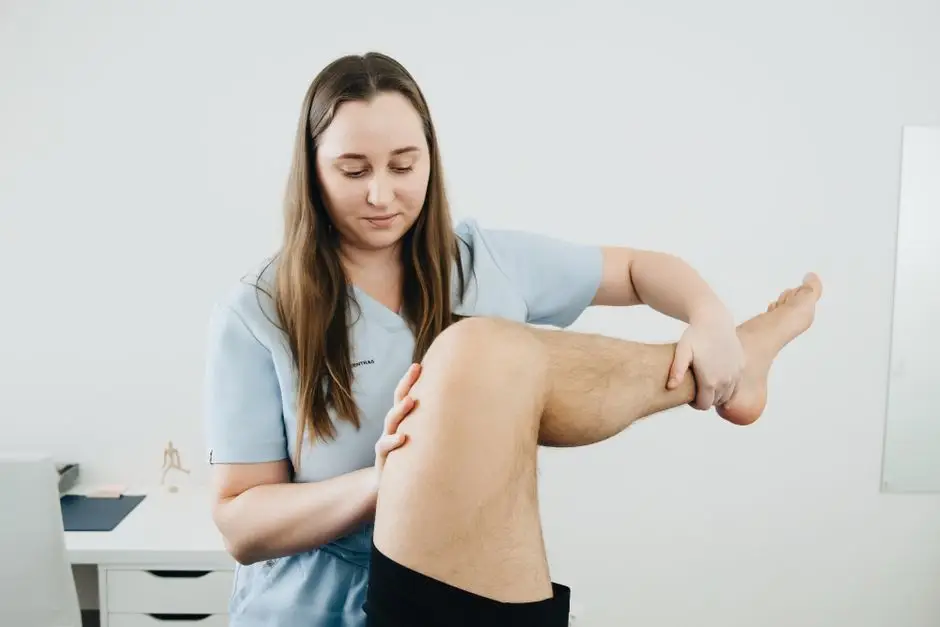
A knee that will not fully straighten changes how you walk and loads the joint unevenly every step. Getting terminal extension back, along with comfortable bending, is an early priority. This is targeted work on the specific motion you are missing, not general stretching.
3. Hands-on manual therapy
Joint mobilization and soft tissue work help restore motion and calm down guarding in the muscles around the knee. Used alongside exercise, manual therapy makes the strengthening work go better, because a joint that moves freely can be loaded properly.
4. Balance and neuromuscular retraining
Your knee relies on position sense to react to uneven ground and quick direction changes. That system takes a hit after a meniscus injury. Single-leg balance work, controlled landing drills, and change-of-direction practice retrain the reflexes that protect the joint when you are not thinking about it.
5. Load management and a graded return to activity
The goal is not to avoid loading the knee. It is to load it at the right dose. Your therapist maps out how to build back walking, stairs, squatting, running, or sport, and adjusts based on how your knee responds over the following days rather than how it feels in the moment.
When surgery is the right call
Some tears do need a surgeon. A knee that is truly locked, where you physically cannot straighten it because a fragment is caught in the joint, is a mechanical block that therapy will not clear. Large bucket-handle tears and traumatic tears in the vascular outer zone in younger, active people are often better repaired than managed.
If surgery is the right path, therapy still matters on both ends of it. Pre-operative and post-operative therapy builds strength going in and rebuilds it coming out, which is a large part of how well the knee ends up working.
What treatment looks like at Doctors of Physical Therapy
A licensed physical therapist evaluates your knee, and a licensed physical therapist treats it. Not a tech, not an aide, not an assistant. The person who examines you is the person who builds your plan and adjusts it as your knee changes.
Doctors of Physical Therapy is clinician-led from top to bottom. Every operational role in the company, all the way up, is held by a licensed physical therapist, so clinical judgment drives the decisions that shape your care. You can read more about how we are built.
In most states you can start physical therapy without a doctor’s referral. If you are ready to get your knee evaluated, schedule an appointment and we will tell you honestly what we think your knee needs.
Frequently Asked Questions
Can a meniscus tear heal without surgery?
Tears in the outer third of the meniscus have a blood supply and can heal. Tears in the inner two thirds usually do not knit back together. Either way, many people get back to full activity without surgery, because meniscus tear physical therapy improves how the whole knee handles load rather than depending on the tissue to repair.
Will physical therapy make my knee hurt more?
Some soreness while you rebuild strength is normal and expected. Sharp pain, swelling that keeps climbing, or a knee that feels less stable is not, and it means the dose needs to change. Your therapist watches for exactly that and adjusts the plan.
Do I need an MRI before starting physical therapy?
Usually not. A physical therapist can evaluate your knee, identify what is limiting it, and start treatment based on a clinical exam. Imaging matters most when the knee is locked, when the exam suggests a tear that would need repair, or when the knee is not responding the way it should.
Do I need a referral to start physical therapy for a meniscus tear?
In most states you can see a physical therapist directly through direct access, without going through your doctor first. Coverage rules vary by plan, so check our patient insurance page or call us and we will look it up for you.